From what we see in the field, a flooded basement at 2 AM forces homeowners to make rapid decisions under extreme stress. Rushing this choice often leads to denied claims or lingering mold issues months down the line.
We know the pressure of these moments well.
After 20 years providing mold removal and restoration in Wichita, our team has witnessed the costly aftermath of poor contractor selection. You need clear criteria to filter out unqualified vendors quickly.
This guide covers exactly How to Choose a Restoration Company in Wichita: 6 Questions to Ask before signing any contracts. Let’s look at the specific certifications, response metrics, and insurance capabilities that separate the professionals from the rest.
1. Are Your Technicians IICRC-Certified?
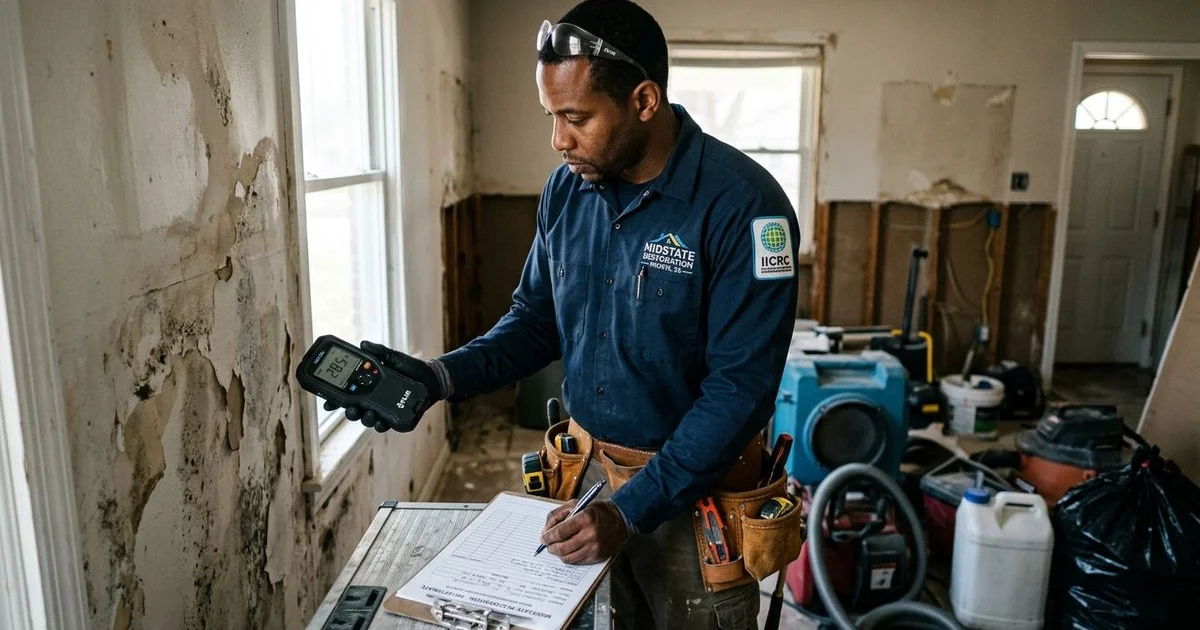
The Institute of Inspection, Cleaning and Restoration Certification (IICRC) sets the global benchmark for property recovery. Holding these credentials means technicians follow the science-based ANSI/IICRC S500 standards for professional water damage restoration. Uncertified workers often rely on guesswork instead of measurable drying goals.
We strongly recommend asking for specific credential types before allowing anyone to tear out your drywall. Certain situations require highly specialized training to prevent further contamination.
Key certifications to verify:
- WRT (Water Damage Restoration Technician): The absolute baseline requirement for handling any water intrusion.
- AMRT (Applied Microbial Remediation Technician): Essential for safe mold remediation using proper containment barriers.
- FSRT (Fire & Smoke Damage Restoration Technician): Necessary for treating complex acidic soot and smoke odors.
- ASD (Applied Structural Drying Technician): Indicates advanced expertise in rapid drying techniques.
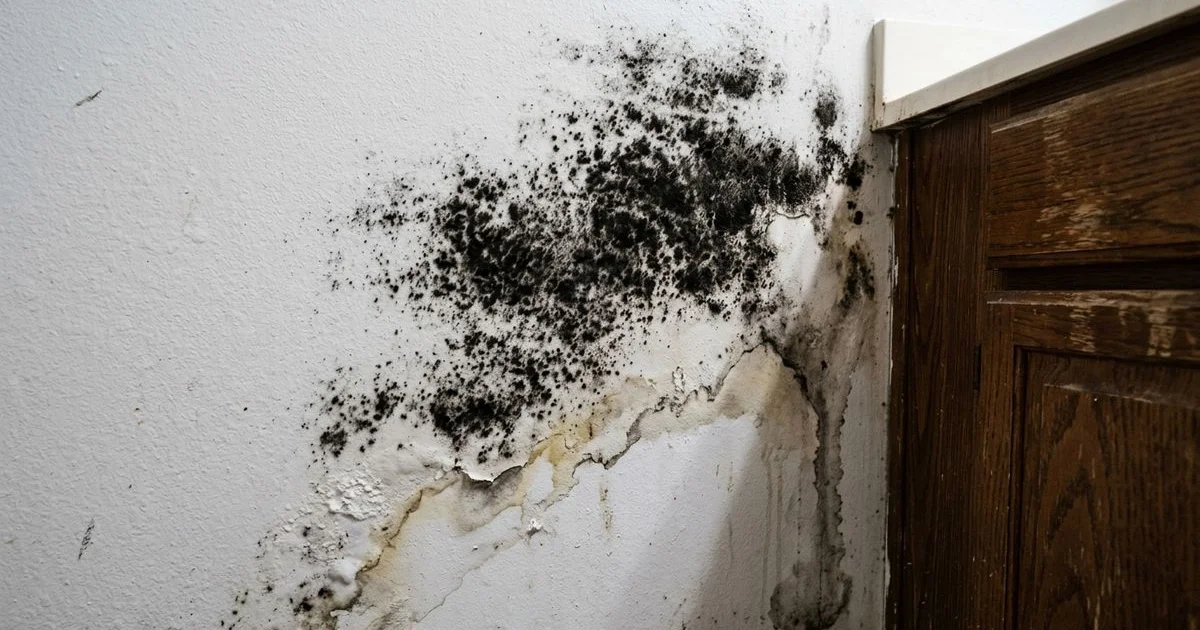
The Environmental Protection Agency notes that mold can begin growing on damp surfaces within 24 to 48 hours. Missing hidden moisture behind baseboards practically guarantees a secondary mold outbreak.
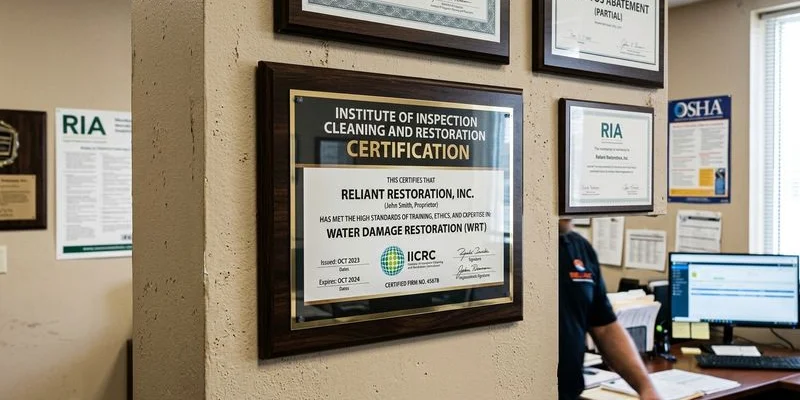
Always ask a contractor to show you their current active IICRC firm registration card. Companies lacking this verifiable documentation pose a serious financial risk to your property value.
2. Do You Handle Both Cleanup and Reconstruction?
Many local cleanup crews only perform the initial mitigation phase. They extract the water, tear out the damaged materials, set up fans, and then walk away. You then have to hunt down a separate general contractor to replace the flooring and paint the walls.
Our experience shows this fragmented approach creates massive delays and frustrating communication breakdowns. Finger-pointing is guaranteed if the new drywall cracks or the flooring warps.
A single-source provider manages the entire lifecycle of the project under one roof. This unified workflow prevents secondary damage from occurring during the gap between demolition and rebuilding.
Consider the stark differences between these two approaches:
| Feature | Single-Source Restoration Company | Multiple Separate Contractors |
|---|---|---|
| Project Management | One dedicated project manager | You coordinate multiple schedules |
| Insurance Billing | Unified claim submission | Multiple conflicting invoices |
| Accountability | Total responsibility for all work | High risk of blame-shifting |
| Timeline | Seamless transition to rebuild | Weeks or months of downtime |
Finding a contractor capable of both phases eliminates the massive headache of coordinating multiple tradesmen yourself. Your home returns to its pre-loss condition much faster.
3. How Do You Handle Insurance Claims?
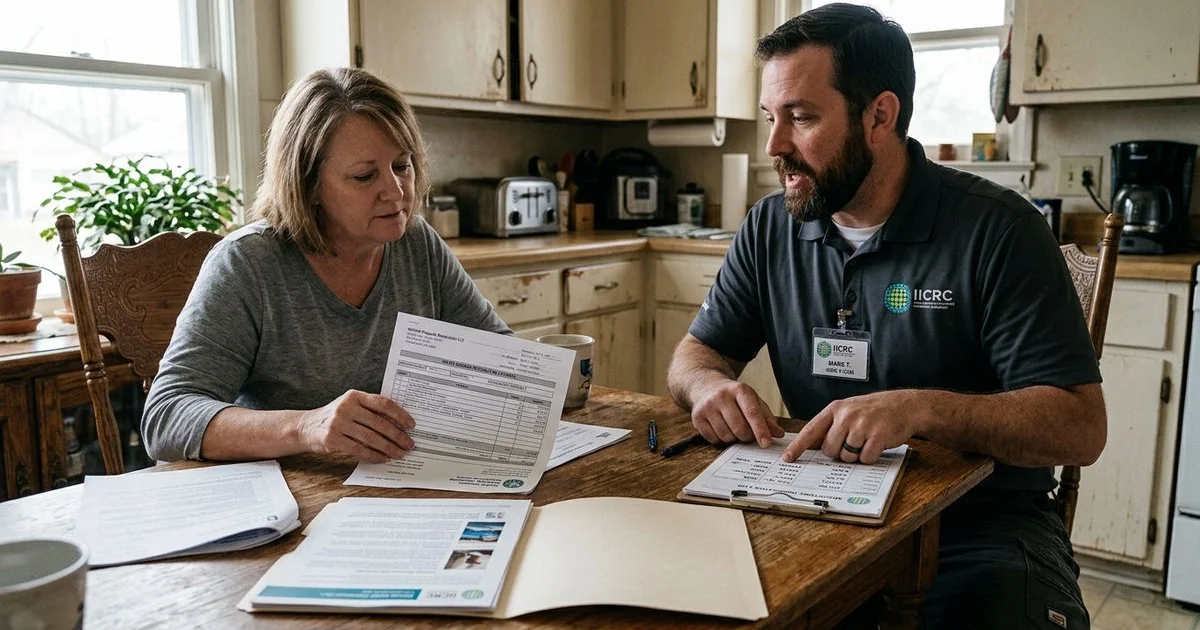
Managing the financial side of property damage is often more stressful than the actual physical cleanup. A highly competent restoration vendor acts as your advocate during the entire adjustment process.
We handle complex claim coordination daily to protect our clients from unfair payouts. A 2026 review of industry data indicates that poor documentation remains a leading cause of insurance claim delays or partial denials. Your contractor must speak the exact language your insurance carrier uses.
Critical insurance capabilities to verify:
- Do they use Xactimate software? Over 80% of property insurance adjusters require estimates generated in this specific program.
- Do they utilize modern field documentation tools like Encircle to create irrefutable 3D photo logs of the damage?
- Can they bill your insurance carrier directly to minimize your out-of-pocket expenses?
- Will they actively meet with the field adjuster on-site to review the scope of loss together?
Failing to use standard pricing software leads to estimate disputes that can stall your project for weeks. Direct communication between the contractor and the adjuster ensures every ruined baseboard and wet cabinet gets properly covered.
4. What Is Your Emergency Response Time?
Water absorption rates accelerate drastically as time passes. The IICRC explicitly recommends initiating professional water extraction within hours of an event to salvage structural materials. Every passing minute allows moisture to wick further up your drywall.
Our emergency dispatch protocols aim to have a fully equipped truck at your Wichita property in under 60 minutes. Rapid intervention is the only proven way to prevent a minor leak from becoming a massive demolition project.
During the volatile Kansas spring storm season, local demand for water extraction skyrockets. National call centers often route your emergency request to an out-of-state operator, wasting precious time.
You must demand concrete answers regarding their immediate availability:
- Are their crews on-call 24/7, including major holidays?
- What is their average response time to specific neighborhoods in the Wichita metro area?
- Do they dispatch their own highly trained employees, or do they rely on temporary subcontractors?
If a company promises a vague “sometime tomorrow” arrival window, hang up and call someone else. The physical degradation of your home will not wait for their schedule to clear up.
5. Can You Provide Local References and Reviews?
A polished website means nothing if the company leaves local homeowners stranded with half-finished repairs. Verifying a contractor’s track record within your specific community is a mandatory protective step.
We always encourage prospective clients to scrutinize our history of completed local projects. Storm-chasing contractors frequently flood into Kansas after severe weather events, do subpar work, and vanish a month later. You need a vendor with deep, permanent roots in the region.
Look for these specific indicators of local reliability:
- Detailed Google Reviews: Seek out lengthy reviews mentioning specific project managers by name, rather than generic five-star ratings with no text.
- Local BBB Standing: Check the Better Business Bureau of the Central Plains for their current rating and any history of unresolved complaints.
- Insurance Agent Referrals: Ask your local State Farm or Farmers agent who they personally recommend.
- Photographic Evidence: Request before-and-after portfolios of similar water or fire damage jobs completed nearby.
Avoid any organization that hesitates to supply local references or operates out of unmarked vehicles. Transparency is the hallmark of a legitimate, customer-focused business.
6. What Is Your Scope of Services?
Disaster recovery rarely involves just one single type of damage. A localized kitchen fire creates heavy smoke webs, but the fire department’s hoses also dump hundreds of gallons of water into your living room. Addressing the complex interaction of these elements requires a broad spectrum of technical capabilities.
Our crews train extensively to handle cascading property disasters. Finding a team equipped for multiple scenarios prevents you from hiring three different specialty companies.
A truly comprehensive provider should offer these core services:
- Immediate structural drying and high-volume water extraction
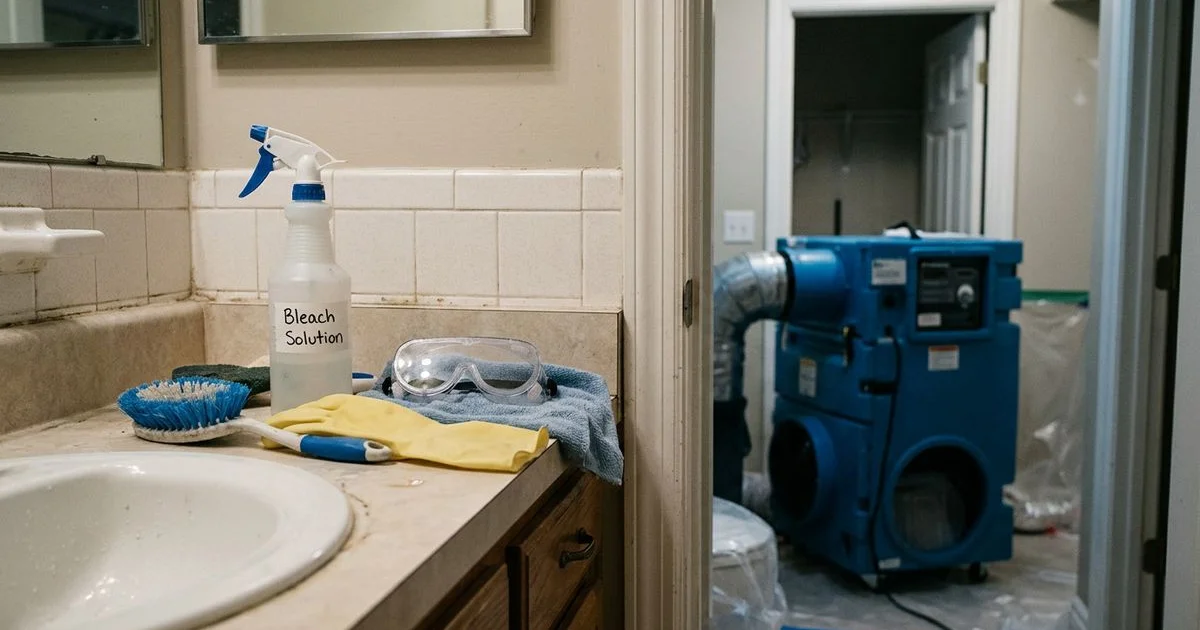
- Containment, negative air pressure setup, and mold remediation
- Soot removal and thermal fogging for permanent odor elimination
- Off-site cleaning and climate-controlled storage for your personal belongings
- Emergency roof tarping and structural board-up services
Understanding a company’s full capabilities ensures they won’t abandon the job halfway through because a task exceeds their skill level.
Making Your Decision
Evaluating your options thoroughly is the best way to protect your home’s value and your family’s health. You now have a proven framework for How to Choose a Restoration Company in Wichita: 6 Questions to Ask during an emergency. Taking ten extra minutes to verify these details saves countless hours of frustration later.
At Wichita Mold Removal Services, our fully certified technicians handle every single phase of your recovery.
Seamless insurance coordination and lightning-fast local response times are the foundation of our business.
You deserve a partner who treats your property crisis with absolute urgency. Call (913) 795-7310 for a free inspection or to ask us any of the questions outlined above.